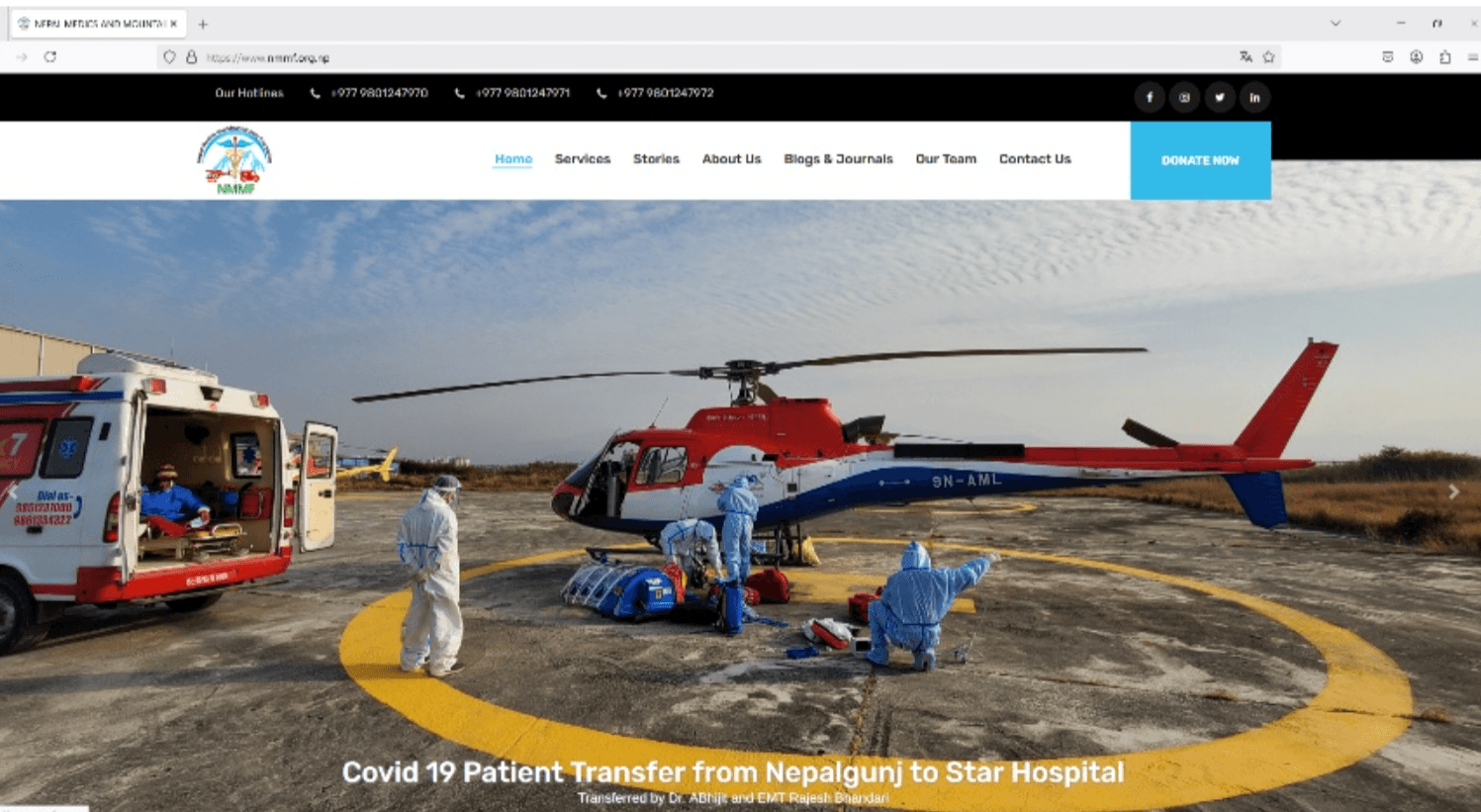
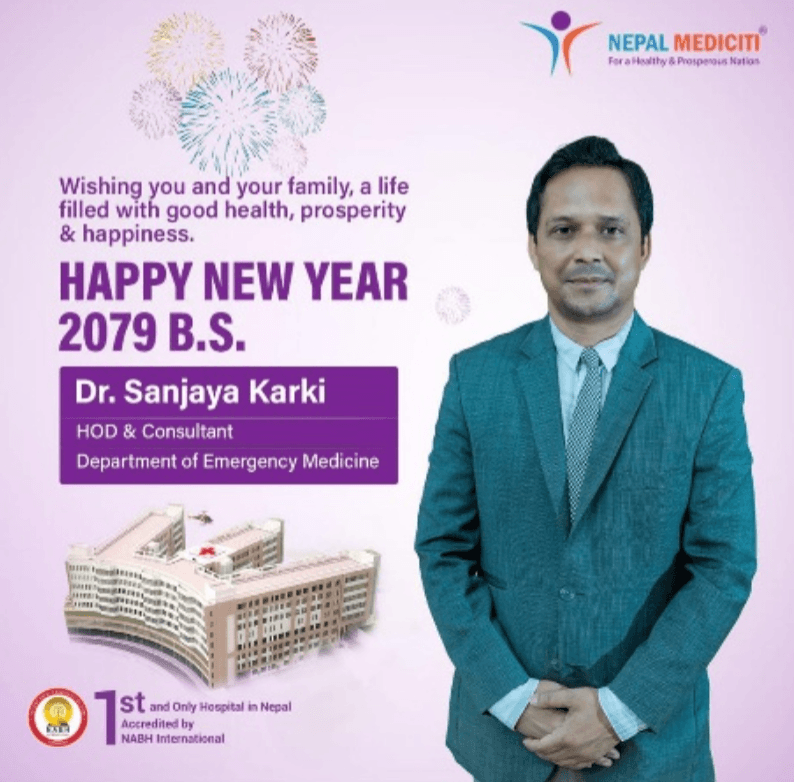
For years, Nepal Aid has been working closely in the Tamang region with doctors from the Mediciti Clinic in Kathmandu/Patan, who have joined together in the Nepal Medics and Mountaineers Foundation (NMMF), founded by Dr. Sanjay Karki.
Emergency rescue of the population by helicopter, cooperation with NMMF
Why Air Rescue:
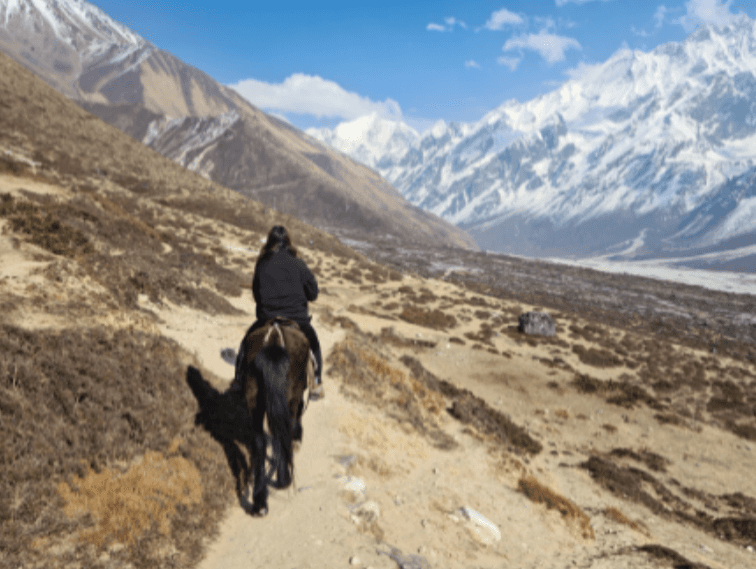
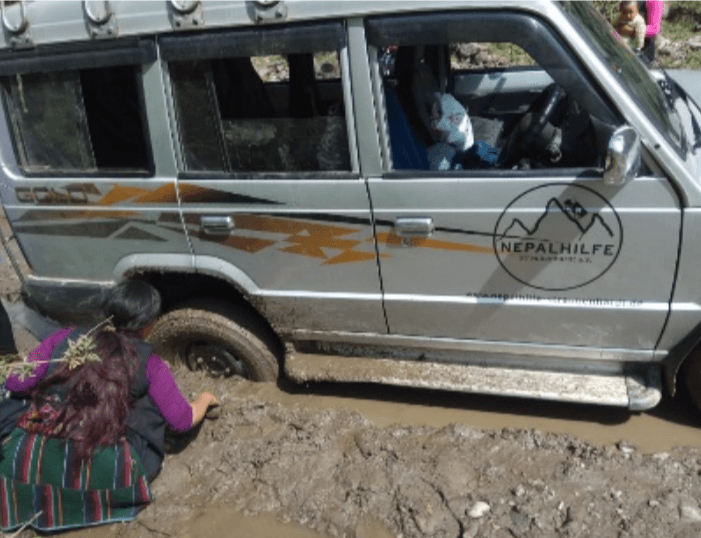
Due to the mountainous terrain and difficult road conditions, helicopter rescue will be unavoidable in Nepal in the future! In the Langtang Valley, for example, it sometimes takes several days of hiking to reach roads. Even our four-wheel-drive jeep gets stuck in difficult road conditions, or the roads are impassable during the rainy season because of landslides.
Current status of air rescue:
So far in Nepal, with a few exceptions, only secondary transports are carried out, that is, flights between two hospitals for patient transfer. The response times for primary transports are too long, meaning for rescue from the scene of an accident. In addition, the system is too inflexible. In an emergency requiring a helicopter, the Mediciti Clinic is called. It then contacts the nearest helicopter agency at the airport. That agency now clarifies when a helicopter is available and, in return, negotiates with the person reporting the emergency about who will cover the costs of the flight. These must be paid privately by the emergency patient or their relatives. A rescue flight costs more than 1,000 euros. That is more than an average annual income.
Our project:
Nepal Aid has been working for years in the Tamang region closely with doctors from the Mediciti Clinic in Kathmandu/Patan, who have joined together in the Nepal Medics and Mountaineers Foundation (NMMF), founded by Dr. Sanjay Karki.
They offer part of the medical care for people in need free of charge, and Nepal Aid finances free rescue flights from our project region. These are actually primary rescue flights. Nepal Aid and NMMF work together to improve the rescue system. Through this cooperation, we are involved in providing rescue helicopters and medical personnel.
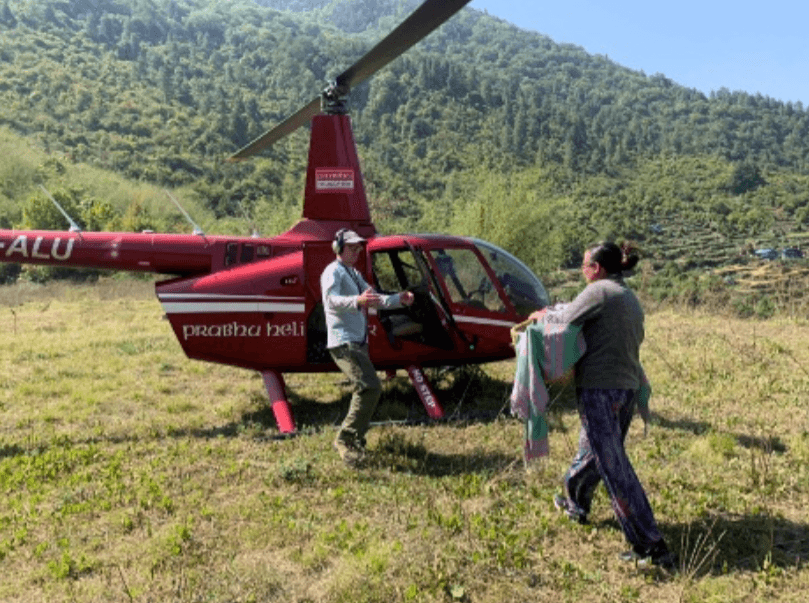
Our German-Nepalese exchange project:
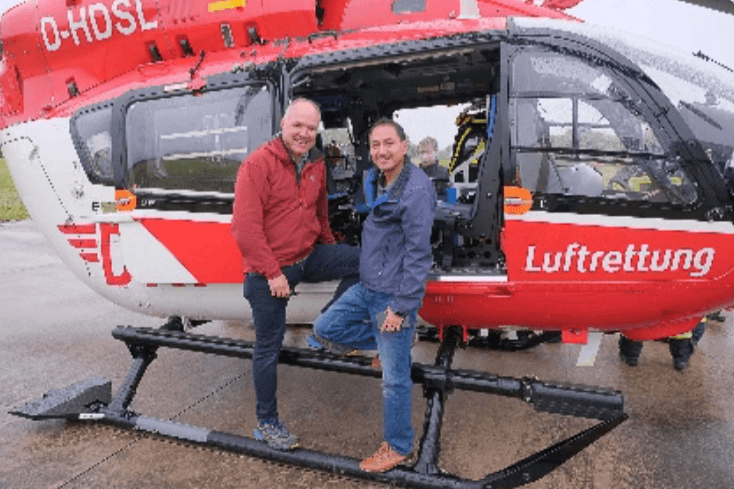
Nepal Aid established a German-Nepalese exchange for emergency physicians, which also leads to professional and cultural exchange about the different rescue systems and organizational structures. In Germany, our exchange project is supported by the German Air Rescue Service and the Anesthesiology Department of the hospital in Ludwigsburg.
Financing: Air rescue is expensive, and the Nepalese helicopter agencies charge for the flights as if they were tourist flights. . It is a dilemma. However, without tourists there would be no helicopters. There has been no humanitarian aspect so far.
Our goals: We are working on setting up a donation fund and would like to ask tourists in Nepal to pay a voluntary amount. If all German tourists (approx. 30,000/year) each paid 10 euros, around 300 free or even more partially financed flights for people in need could be carried out each year. Another funding option is the approximately 100 German-Nepalese associations. If each association were to finance a few flights for its aid region, following our example it would be possible to build an initially incomplete but steadily growing rescue network with limited resources. This rescue network would also help tourists in an emergency. By making it possible to keep personnel and rescue equipment available, Nepal travelers would also benefit from better and, in particular, faster rescue.